Murcia is an overlooked city and region nestled between the far more visited Andalusia to the south and Valencia to the north. That is a shame, because exciting architecture, history, and gastronomic experiences await in Murcia.
The guide to Murcia is updated in February 2026. It was originally published in February 2022.
Experiences in Murcia City
 1 Murcias casino
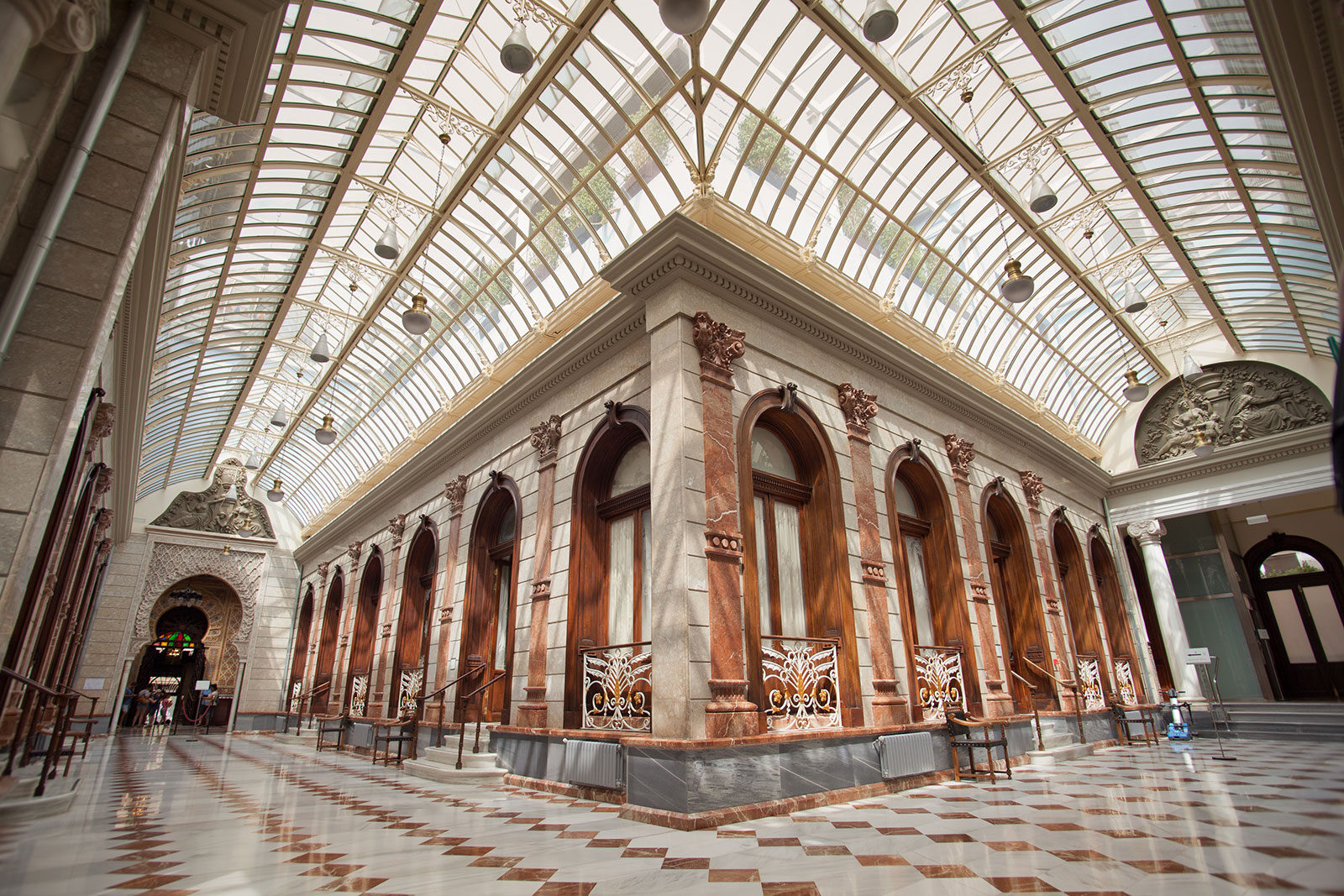
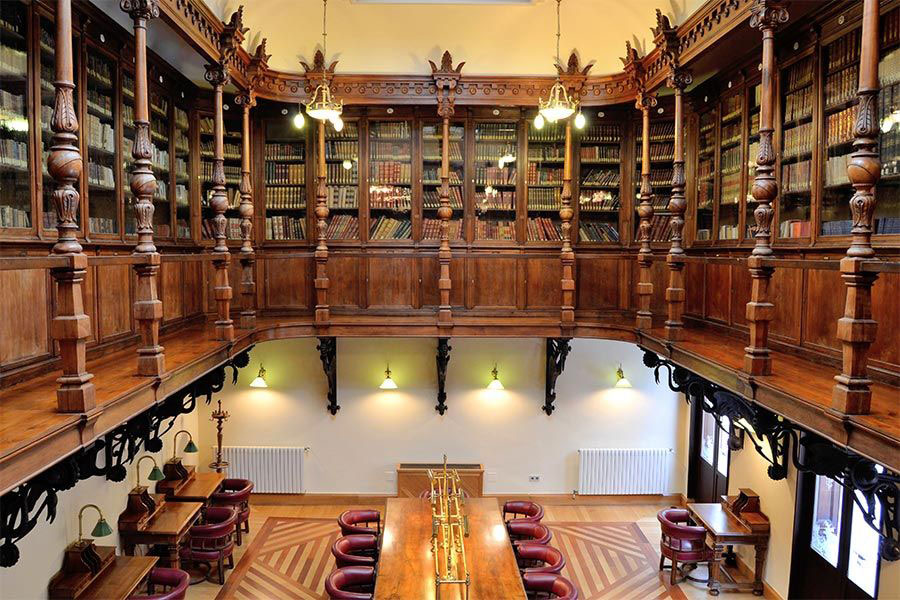
In the heart of Murcia city you will find the impressive casino, which is also the most visited building in the region’s capital.
Since 1847, the building has served as a private gentlemen’s club for the city’s elite, but although it is private, you can visit the ground floor and admire the impressive architecture.
The building is constructed in mixed styles inspired by the artistic movements of the late 19th century. 19th century to the beginning of the 20th century.
You can visit the Arabic courtyard, decorated with over 20,000 sheets of gold leaf, the neo-baroque ballroom with frescoes, the library with a fine carved wooden gallery and an adjoining ladies’ room, and the billiards room.
Real Casino de Murcia, C. Trapería 18
 2 Hip food market in the old post office
Murcia is a foodie mecca, and the city (and region) has received increased attention since becoming the 2021 Capital of Gastronomy.
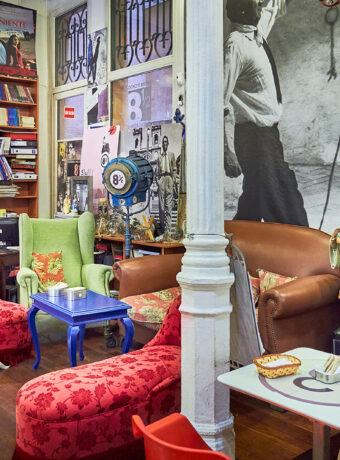
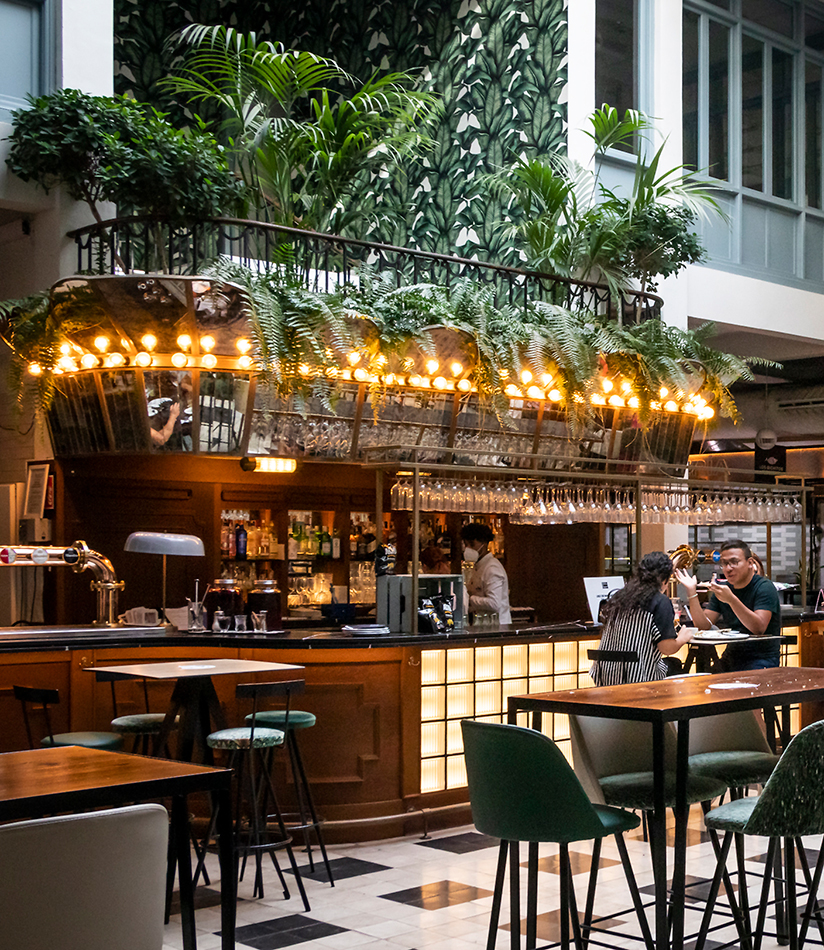
In the heart of Murcia, the Mercado de Correros (Postal Market) is a modern gastronomic market. It is housed in a beautiful building from 1930 that used to house the city’s post office. The building has been beautifully renovated and many of the original details from the post office days have been preserved.
The heart of the food market is a glass-covered area with café tables surrounded by small food stalls. Try the region’s typical pastel de carrillera, which is puff pastry filled with meat or mushrooms.
Mercado de Correros, C. Pintor Villacis 3
 3 Plaza del Cardenal Belluga
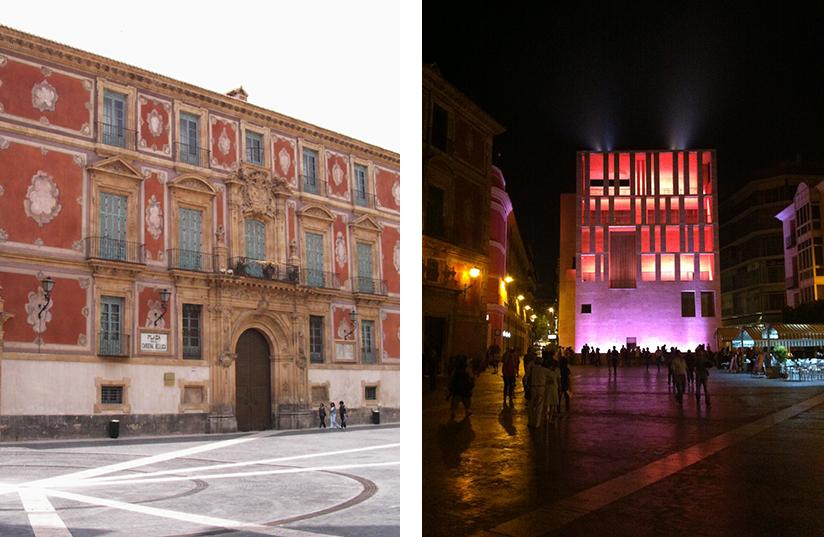
Located in the heart of Murcia city centre, the historic Cardenal Belluga square is an interesting study in how classical and modern architecture can merge into one.
The square dates from 1885 and has been modernised over the years. The most colourful building is the Baroque Bishop’s Palace, with a beautiful red façade, built between 1748 and 1769. The Bishop’s Palace now houses the Bishop of Cartagena, and it’s worth entering through the large gate and the spectacular building from the courtyard side with fine vaults.
Diagonally opposite the Bishop’s Palace, you can see the façade of Murcia’s new Town Hall building, designed by architect Rafael Moneo and inaugurated in 1998. The building both contrasts sharply with the historic buildings and compliments them. The old town hall building is neoclassical and from the 19th century.
4 Murcia Cathedral
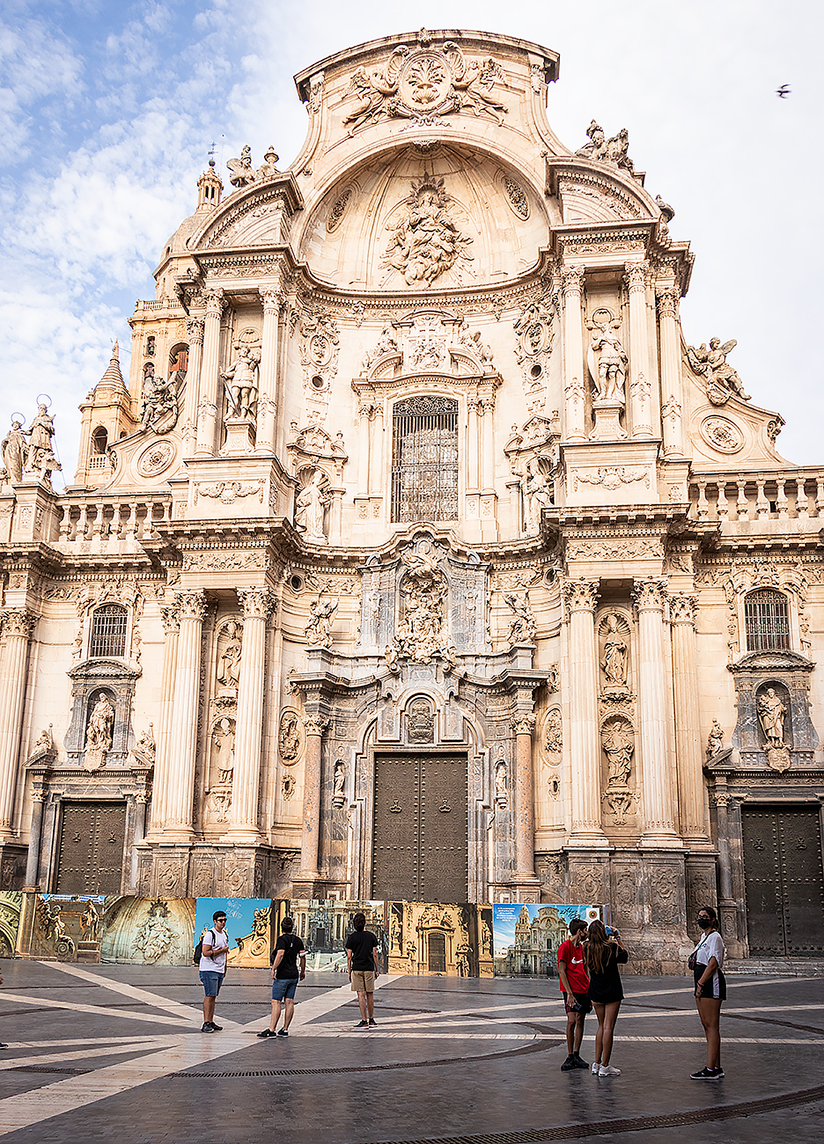
At the end of Cardenal Belluga Square, Murcia’s cathedral, Santa Maria, stands majestically and immediately catches the eye.
It took three hundred years to build the cathedral (14-1700s), which is in different architectural styles. The main façade facing Plaza del Cardenal Belluga is adorned with columns and sculptures. Inside you can admire the lavishly decorated chapels and the tomb of King Alfonso X. The 93-metre bell tower is the second tallest in Spain.
Plaza del Cardenal Belluga
 5 Taste Murcia’s signature coffee
Tasting Murcia’s signature coffee, Asiàtico, is a must when in the region. The drink originated in the city of Cartagena, but try it at CaféLab in Murcia city. The cozy café specializing in coffee is just a stone’s throw from Murcia Cathedral.
Asiàtico is made with coffee, cognac, condensed milk and the local liqueur, Licor 43, which gives it its distinctive character, and is spiced with lemon zest and cinnamon. Licor 43 originates from Cartagena, where the drink was invented, and is said to contain 43 ingredients. The sweet coffee drink is served in a glass so you can see the beautiful layers.
CaféLab, C. Apóstoles 14
Powered by GetYourGuide
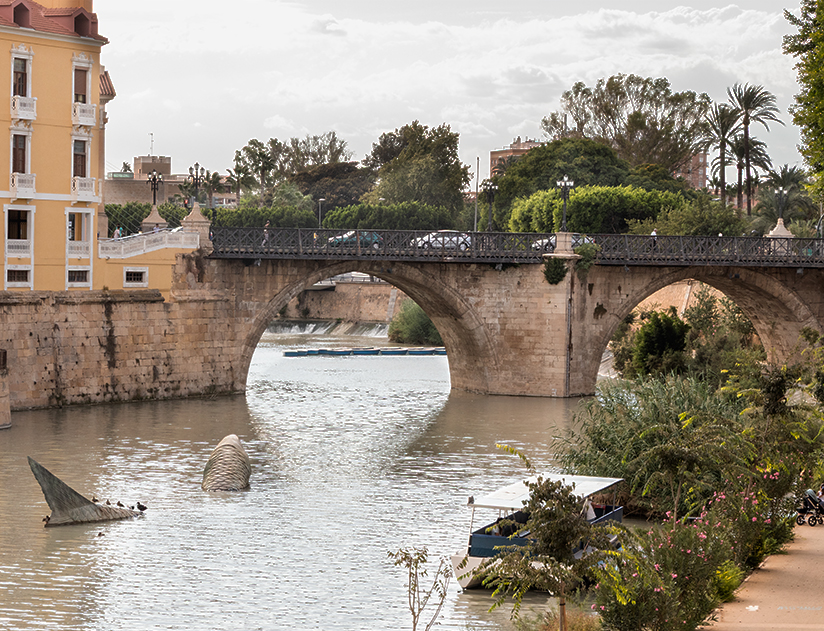 6 Murcia’s historic bridge
The River Segura runs through Murcia and the oldest bridge connecting the city across the river is the Puente de los Peligros (Bridge of Perils), also called “Puente Viejo” (Old Bridge). It connects the historic center of Murcia with the Carmen neighborhood.
It took 25 years to build the bridge with the two arches, which was inaugurated in 1742. It has since been renovated several times. The bridge was built to facilitate the transportation of goods around the city and became a symbol of Murcia’s development. The name refers to a small niche on the south side of the bridge where there is an image of the Virgin Mary of Los Peligros.
It’s a beautiful walk along the bridge, but you’ll enjoy Murcia’s beautiful architecture.
 7 Taste local cheeses and wines at the milkmaid
Just opposite Murcia’s produce food market, Veronica, which is also worth a visit, is the cheese shop, La Lechera de Burdeaus (The Milkmaid of Bordeaux), named after a Goya painting.
For €38 you can enjoy a tasting platter of local cheeses and wine. Cheeses range from a fresh blue cheese to the star, Murcia al Vino, a goat cheese bathed in local red wine.
La Lechera has a delicious selection of both Spanish and European cheeses from France, Italy, Portugal and the Netherlands, so it’s a great place to shop for edible souvenirs.
La Lechera de Burdeaus, C/ Plano de San Francisco 10
Experiences out of Murcia city
 8 Surprising Michelin food
At Mucia’s only 2-star Michelin restaurant, it feels like stepping into a little piece of Africa. The Cabaña Buenavista restaurant is a large thatched conical hut surrounded by lush gardens in the village of El Palmar, about 15 minutes drive from Mucia town.
Cabaña Buenavista is led by Chef Pablo Gónzalez, who ensures that the creative menu of 15 appetizers, three main courses, cheese, two desserts and petit four is worth the detour.
Expect the unexpected is the motto at Cabaña Buenavista, and it is fully realized. The menu is constantly changing and is developed by the head chef in the laboratory in the backyard.
The night I visited, we first had small appetizers in the garden. Then Gónzalez presented four appetizers from the lab, which were an extravagant tour of the region’s produce. These included a pumpkin jelly with roasted pine nuts and pumpkin mousse and mini lobster flatbreads.
The main courses included crispy roasted pork and tuna, grilled shrimps with Iberian stew and venison steak with baby zucchini in juniper and cream cheese.
The desserts were a convincing experiment in translating art periods such as Romanticism, Surrealism and Baroque into a sweet conclusion.
The price for a menu is 190 euros (there is also a smaller one for 150 euros) and it can be paired with a wine menu for 90 euros.
Cabaña Buenavista, Urbanización Colonia Buenavista, Finca Buenavista S/N, 30120 El Palmar O Lugar De Don Juan, Murcia, Spain
 9 The Roman theater in Cartagena
On Murcia’s east coast you’ll find the city of Cartagena, which houses a fine Roman theatre, built between the 5th and 1st centuries BC. At that time, the theatre had an important function in the city,
For a hundred years the theatre was buried underground, but an excavation and renovation by architect Rafael Moneo has turned it into a fine museum. Here you can check out the acoustics from the 6,000-seat stands, the 43-metre stage and a host of decorations. If you go to the top of the city, on the hill Concepción, at the old medieval castle, Castillo de la Concepción, you’ll get great views of the theatre, the neighbourhood and the city harbour.
If you want to enjoy the view and see more of Cartagena’s cultural treasures, you can buy an entrance ticket to the Roman Theatre in Cartagena as well as access to the Roman Forum, Concepción Castle and the panoramic lift (promotional link)
Buy an entrance ticket to the Roman Theatre in Cartagena (promotional link)
Teatro Romano de Cartagena, Palacio Pascual del Riquelme, Pl. Ayuntamiento, 9
 10 Visit to an organic winery
Murcia has three wine districts, Bullas, Yecla and Jumilla, and the most widely used grape in the region is the blue-violet Monastrell.
The winery, Bodegas Lavia, is beautifully located in the Bullas district, about 50 minutes drive from Murcia city.
Lavia consists of six wineries with the ambition to create the best organic wine in the area. Bodegas Lavia produces 500 liters of wine per year and the selection includes red, white and rose wines.
According to Lavia’s director, Juan Manrique Garcia, Monastrell is the camel of the grape and the grape of the future due to climate change, because it can survive without water and in all kinds of weather. Lavia’s wines are fresh because the vineyards are located in a green valley, 8-900 meters above sea level, and the wind from the sea gives the grapes a slightly salty taste.
A visit to Bodegas Lavia includes both a tour of the vineyards and wine tasting at the farm, and must be arranged in advance.
Bodegas Lavia, Paraje Venta del Pino, s/n
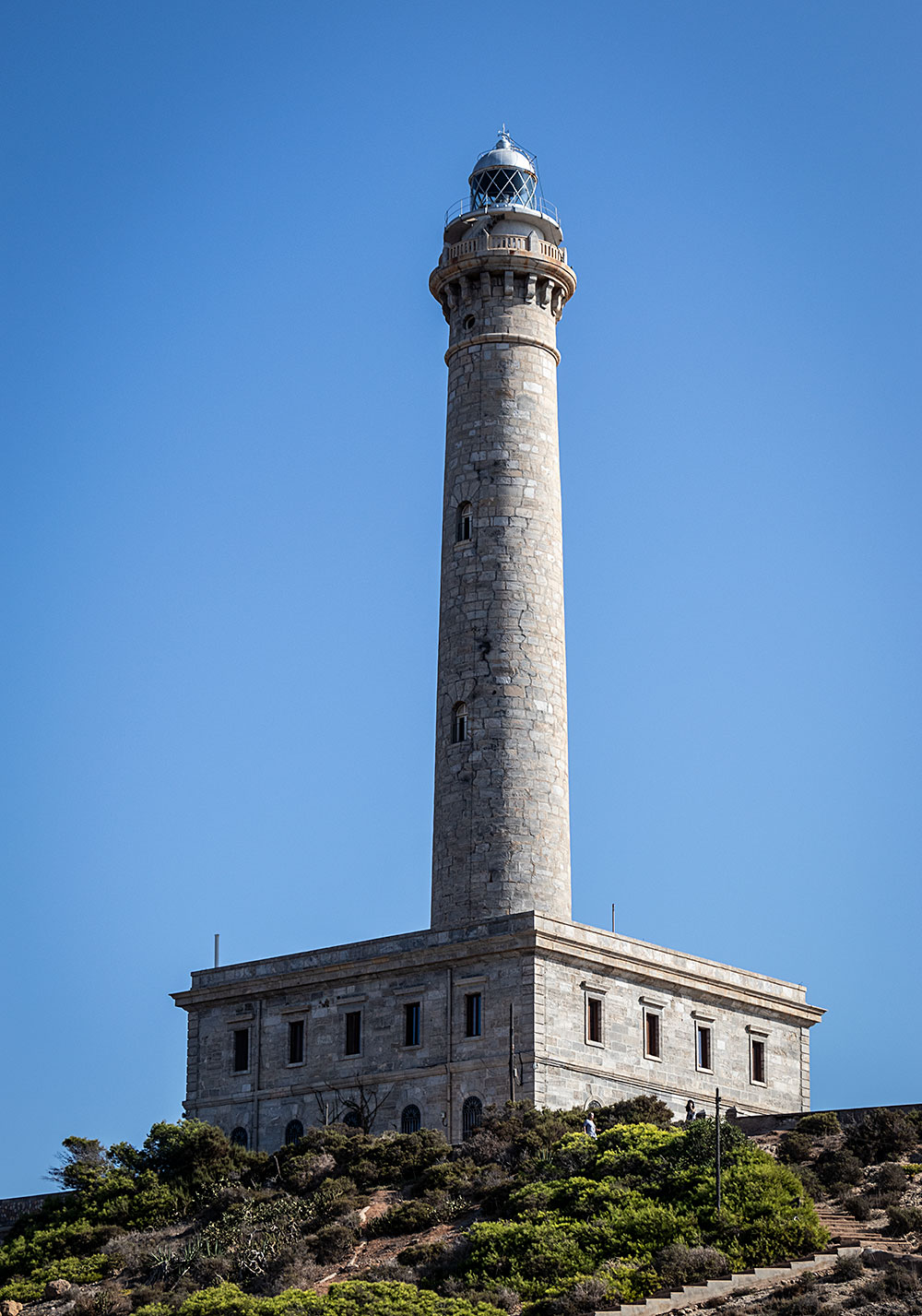
 11 The lighthouse in Cabo de Palos
At the southeastern tip of Murcia, the rocky islet of Cabo de Palos juts out into the Mediterranean. A fine lighthouse is enthroned on the hilltop, which is worth climbing. From here, you’ll enjoy stunning views of the crystal-clear Mediterranean, small coves and beaches, and jagged cliffs.
Cabo de Palos is a small town whose fishing port was important for many years, and the lighthouse was commissioned in 1865. You can visit the 51-metre high lighthouse on a guided tour. You have to climb 300 steps to reach the top. They’re narrow and dark, so you’ll need to be comfortable with enclosed spaces and steep stairs.
Book a guided tour via the website link below.
 12 See flamingos and pink lagoons
On the coast of Murcia’s north, on the Mar Menor, is the Salinas y Arenales de San Pedro del Pinatar Regional Park. In the wetland you will find salt lakes and salt dunes, as well as a large population of birds, including migratory birds such as flamingos. In spring, there is a chance to see some terns.
The pink lagoons have a huge salt content and there is a salt industry here that extracts around 100,000 tonnes of salt a year. The regional park also has fishing according to ancient Arab traditions.
The 856-hectare park is perfect for walking or cycling. Start at the park visitor centre, where you can get information about the area and its fauna and flora.
Parque Regional de las Salinas y Arenales de San Pedro del Pinatar
 Accommodation in Murcia
If you’re looking for a good hotel in Murcia, I can recommend Hotel Rincon de PepeAffiliated by Meliá, which I checked into when I was in town.
The 4-star hotel is just a stone’s throw from the Cathedral and Mercado de Correros, with easy access to the city center and attractions.
The rooms are bright, spacious and modernly decorated. I stayed in a Superior room, but you can also choose a Standard room or various suites, some of which have a terrace. There’s a minibar, TV, free Wi-Fi and a safe.
The bathroom was also spacious and had free toiletries and a hairdryer. I slept great in the spacious bed and the hotel has also made sure that the decor is functional.
Breakfast, which is good, is served buffet style. There’s all the fruit, eggs, yogurt, bread, croissants and cold cuts you could wish for, both hot and cold.
In addition, the hotel has a bar, a tapas bar and a restaurant serving classic dishes. I didn’t try the latter because there are so many good places to eat in the neighborhood.
Read more about Hotel Rincon de Pepe and check availability and prices. (Advertising link)
Journey to Murcia
There are no direct flights from Denmark to Murcia, but you can fly directly to Alicante and take a train or bus from there. The trip from Alicante to Murcia takes about an hour by bus or train. Alternatively, you can rent a car, where the driving time is approximately 50 minutes.
Travel inspiration for more smaller cities in Spain
Do you like to visit Spanish cities that are among the smaller ones? Then I recommend diving into the city guides for Córdoba and Granda in Andalusia, Girona in Catalonia and Oviedo and Bilbao in Northern Spain.