Seville is the charming capital of Andalusia and a wonderful mix of cultures, reflected in its food, architecture, art and history. Seville’s attractions are close by and you can walk between most of them. That means you can fit a lot of experiences into a weekend.
The guide to Seville is updated in March 2026, originally published in 2019.
There are plenty of good reasons to visit Seville. A wonderful blend of authentic Andalusian tradition and modernity, the Andalusian capital is so captivating that it ranks third in the list of most visited cities in Spain.
Seville is perfect for a weekend break, where you can explore everything from historic palaces and churches to modern sculptural buildings, see local art and eat great food. This guide will inspire you to spend 48 hours in Seville that will satisfy all your senses.
And then you can walk to most of the city of some 700,000 inhabitants, which is dotted with fragrant orange trees.
Friday
 15:00: Tapas at the family bar
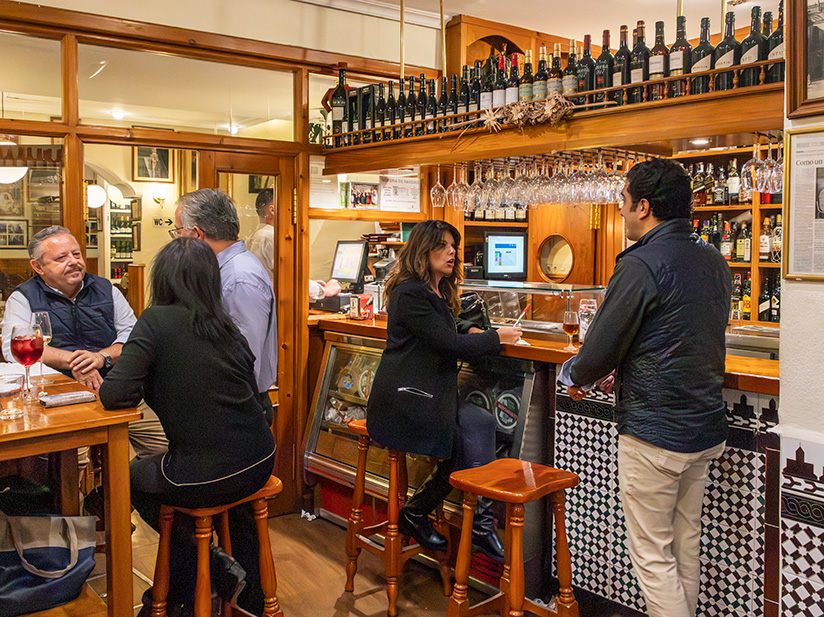
The best way to start a vacation in Seville is to follow the flow of locals to the best tapas bars. Family bar Don Carlos, opened in 1988, serves some of the city’s best classic tapas.
The atmosphere is cozy and welcoming, and it’s easy to spot regulars. On the walls of the classically decorated tiled bar are photos of famous personalities who have dined here.
Try two of the city’s specialties “Espincas con garbanzos” (spinach with chickpeas) and “Carrillera de cardo” (pork cheeks). Drink a dry Fino or Oloroso sherry with it.
Don Carlos, Calle Gral. Polavieja 18
16:30: See Seville from the top
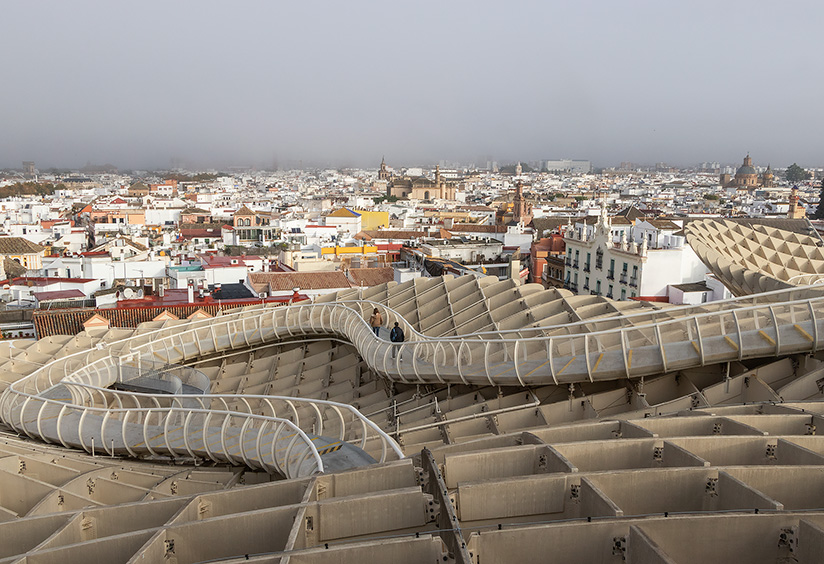
Standing in Plaza de la Encarnación, looking out over the giant wooden structure that looms like huge mushroom parasols, you feel like you’re in a futuristic film. Metropol Parasol, known locally as Las Setas (the mushrooms), opened in 2011 and is visible proof that Seville is also a forward-thinking city.
Created by German architect Jürgen Mayer, the Metropol Parasol is claimed to be the world’s largest wooden structure.
Take the stairs, escalators or lift to the top, where you can move around the walkways and get impressive 360-degree views of the city.
At the top there is a bar. Underneath the construction is a street-level food market, and in the basement you can see Roman ruins that were discovered during construction.
Las Setas de Sevilla, Plaza de la Encarnación
 17:30: Seville’s best flamenco show
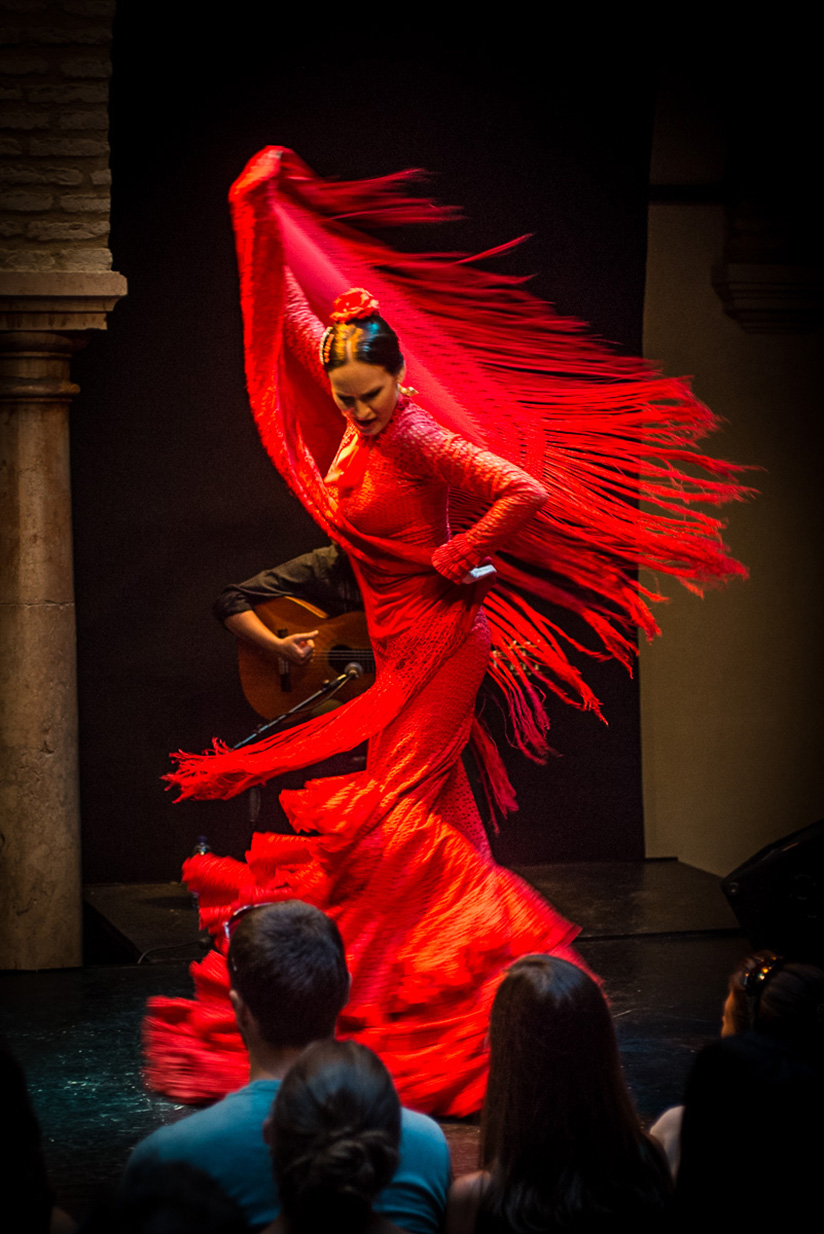
Flamenco is one of Seville’s most important cultural treasures, and you’ll find countless tablaos in the city with flamenco shows. The most interesting place is the Museo del Baile Flamenco, which is hidden in a palace in a small side street.
Inside, you’ll find an interesting museum where you can learn about the history and many styles of the art form, as well as the best flamenco shows in town.
Start at the interactive museum created by the famous flamenco dancer and choreographer Cristina Hoyos in 2006. Here you can explore 200 years of flamenco history and learn about its origins, development and styles, and see flamenco costumes and musical instruments.
After your museum visit, you can visit the shop, where you can buy photos, postcards and books. Finish your visit with a flamenco show on the patio. Here you are guaranteed a top-class show with the best musicians, singers and dancers from the city.
Buy tickets in advance via the website.
Museo del Baile Flamenco, Calle Manuel Rojas Marcos 3
20:30: Classic tapas in new clothes
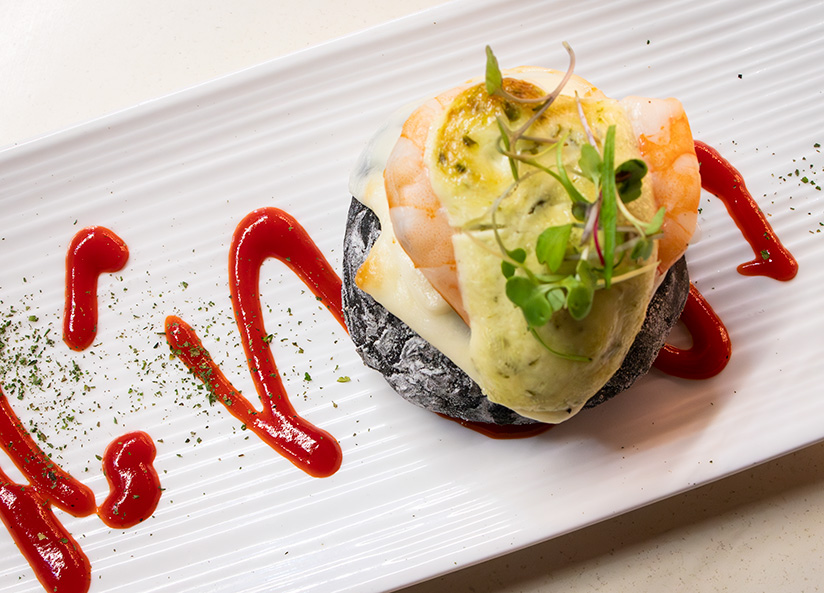
Flores Gourmet is a modern version of an abacería (grocery store), which has both a bar and a shop. The space is spacious and bright, and you can sit at high tables, between deli displays and stocked wine racks, and eat the place’s delicious, modern tapas.
Among the delicacies on the menu, I recommend trying the reinterpretation of the classic ensaladilla russa (Russian salad), which in Flores Gourmet, is filled with large, fresh shrimp and bacalao en salsa de tomate y albahaca (cod in tomato sauce with basil). My favourite is Pan negro con gambas y ali oli (black bread with prawns and ali oli), which is a gourmet version of the popular Spanish prawns.
In the shop you can buy local wines, cheeses, hams and other quality local delicacies worth taking home in your suitcase.
Flores Gourmet, Calle San Pablo 24
Powered by GetYourGuide
Saturday
9.00: Famous cathedral and bell tower
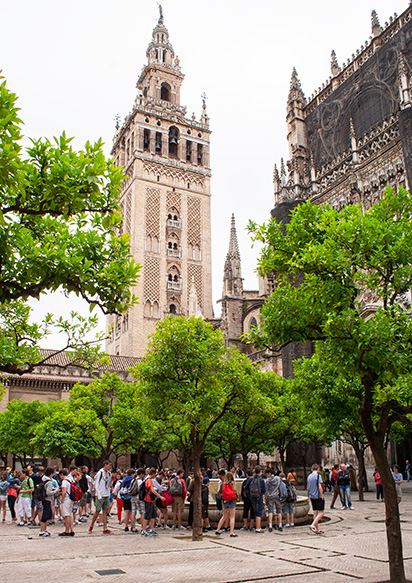
Seville’s cathedral, Santa Maria de la Sede, is the world’s largest Gothic cathedral and a UNESCO World Heritage Site. It was built between 1434 and 1517 over the remains of a former mosque and is 126 metres long and 83 metres wide. There are 80 side chapels in the majestic cathedral.
One of the main attractions is the cathedral’s beautiful bell tower, the Giralda, which was originally the minaret of the mosque. The minaret was built in the 12th century and its name comes from the weathervane on top, known as the Giradillo, the city’s most famous symbol. The rebuilding of the tower was completed in 1568, when, among other things, a Renaissance bell was added. The Giralda has a total of 24 bells, which is the largest number in a cathedral. You can climb to the top of the 104-metre tower, where you’ll have great views of the city.
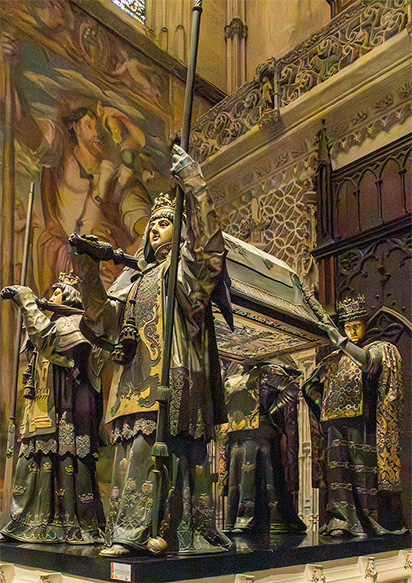
Another great attraction is the tomb of Christopher Columbus. Columbus died penniless in Valladolid in 1506, but the funerary monument with four bearers holding the coffin with the 180 grams of bones dates from 1892. The bearers represent the former kingdoms of the Christian monarchs, Castile, León, Aragon and Navarre. There has been much debate about whether the coffin also contains Comombus’ remains, but DNA tests have shown that they belong to the famous explorer.
Seville’s cathedral also houses precious art by. Goya, Murillo and Zurbarán.
10:30: Learn to cook Spanish food at the market
The Triana district of Seville has the city’s most beautiful food market, where you can also learn to cook classic Spanish dishes.
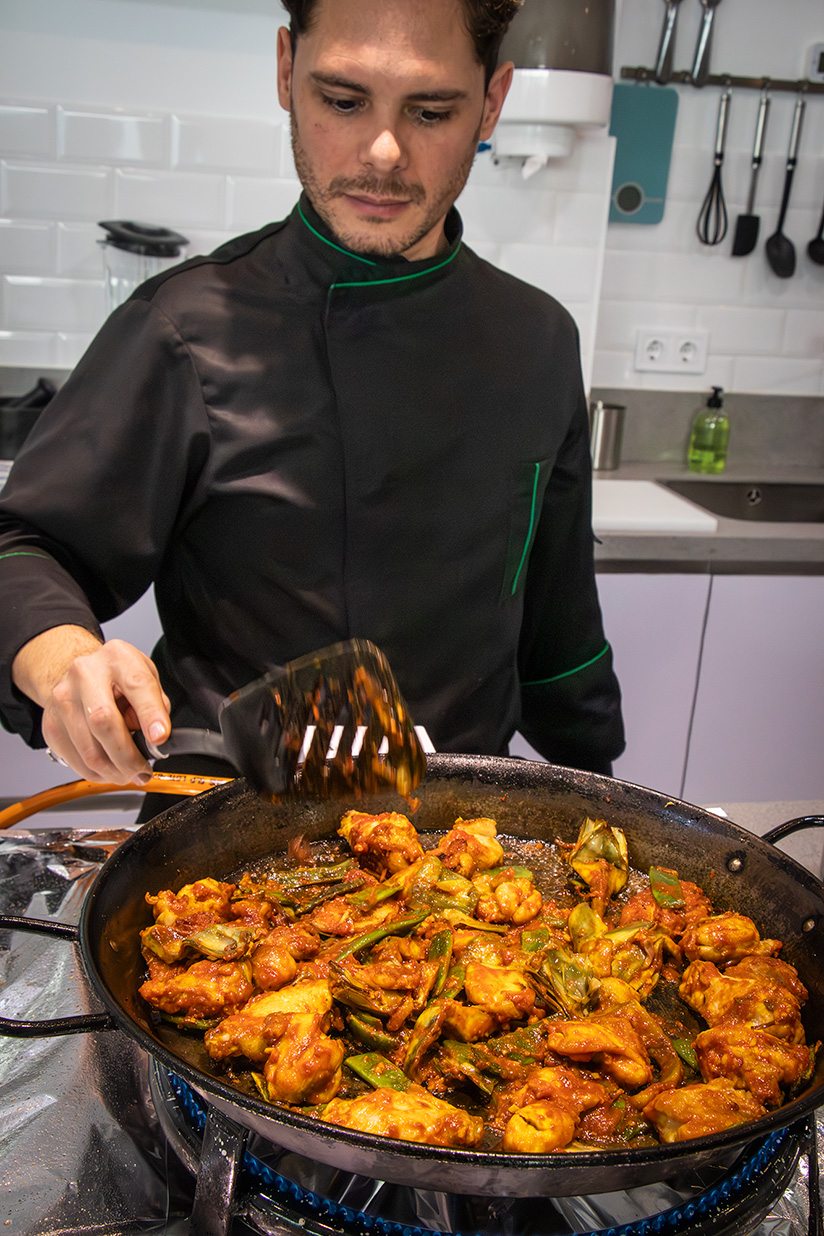
Taller Andaluz de Cocina has a team of chefs dedicated to teaching Andalusian cuisine. I was taught by Víctor Silvestre, who is also a TV chef and has worked in a Michelin-starred restaurant.
The workshop begins with a tour of the market, where stalls are full of fresh fruit and vegetables, fish, meat, cheeses, ham, sausages and spices. Here you will be introduced to the local produce and delicacies.
The menu includes the classic Spanish soup salmorejo, paella and lemon ice cream with cava and mint. A Valencian paella is made with chicken and rabbit, but Silvestre chooses only chicken to make sure everyone enjoys the paella.
After that introduction, we’re going to start paring chicken, cutting and slicing beans, artichokes and garlic ourselves. Everything is fried and spices such as local saffron and rice are added. While the food is cooking, we can sip tapas and homemade sangria.
While the paella is sizzling in the pan, the soup is being prepared in the blender. Salmorejo consists of tomatoes, bread, garlic and olive oil.
Finally, mix lemon ice with cava and fresh mint for dessert and enjoy.
All the dishes are simple and they taste great. After the workshop, you can buy saffron and rice to take home for the paella at the market, where you will get a discount after attending the workshop.
You can get a jump start and make salmorejo at home. Here is the recipe for Taller Andaluz de Cocinas salmorejo.
12:30: Dive into Seville’s ceramic history
Throughout Seville you’ll find colourful ceramics adorning palaces, private homes and public walls and benches. The ceramics are produced in the Triana district, which is also home to a ceramics museum.
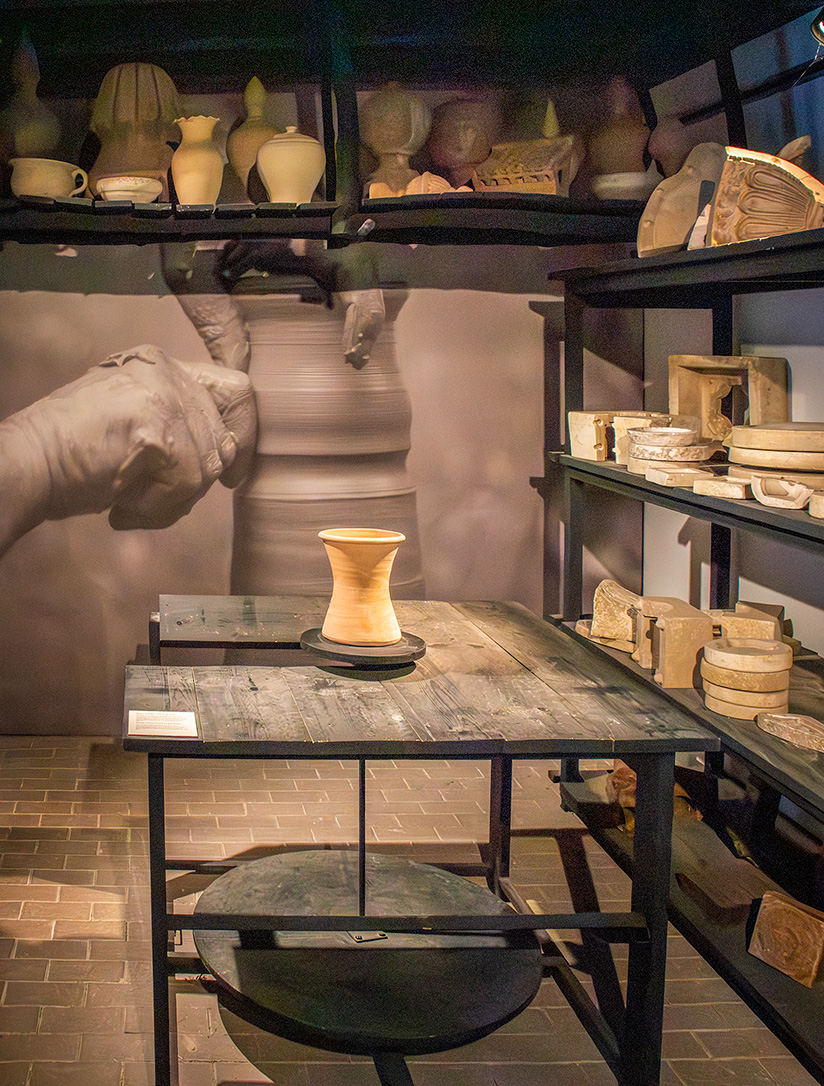
The museum houses the old Santa Anna ceramics factory, which created all the tiles for the Plaza de España. Here you can learn why the clay and water of the area is so well suited for pottery. You’ll also learn about the archaeological, anthropological and architectural significance of pottery in the area.
You can also see some of the factory’s machines and different pottery work. Even the toilet in the museum is adorned with fine ceramic figures.
In the shop next door, you can buy ceramic tiles, bowls, dishes and jugs in countless colours and patterns to take home.
Centro Cerámica Triana, Calle Callao 16
14:00: Boat trip on the river
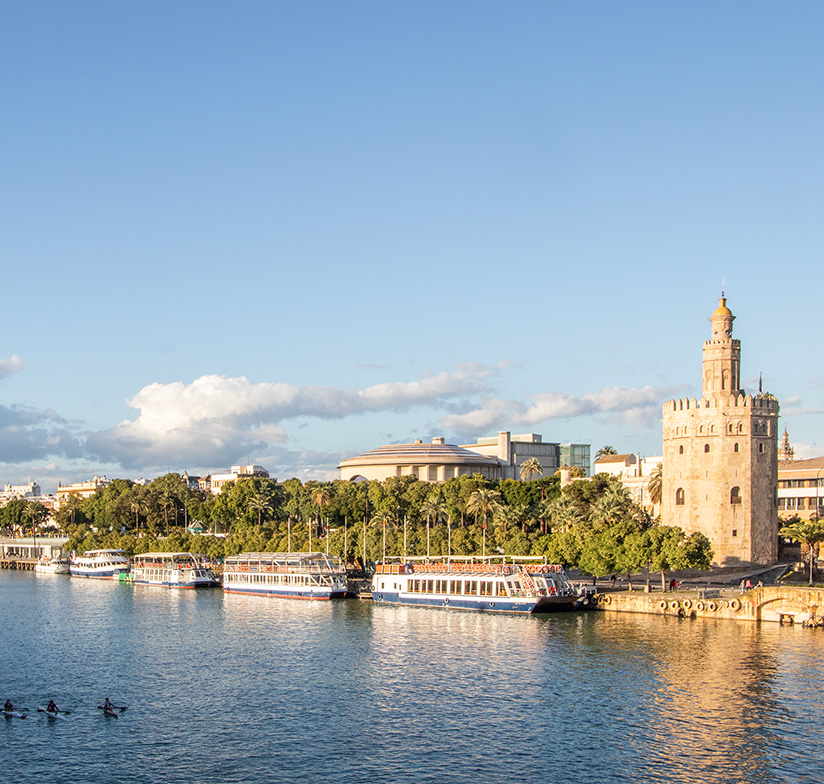
The Guadalquivir River runs through Seville, and seeing the city from the water is a beautiful experience. The tour begins at the iconic military tower, the Golden Tower (Torro del Oro). Along the way, you’ll pass both new and historic buildings, including. Torre Sevilla (also called the lipstick), Parque de Maria Luisa with Plaza de España.
You can also admire the colorful houses of the Triana neighborhood, harness under historic and new bridges and experience city life on the water.
Book a boat trip on the Guadalquivir (promotional link). The boat leaves from the Estación Marítima Torre del Oro, in front of Torre del Oro.
15:30: Explore the Jewish Quarter
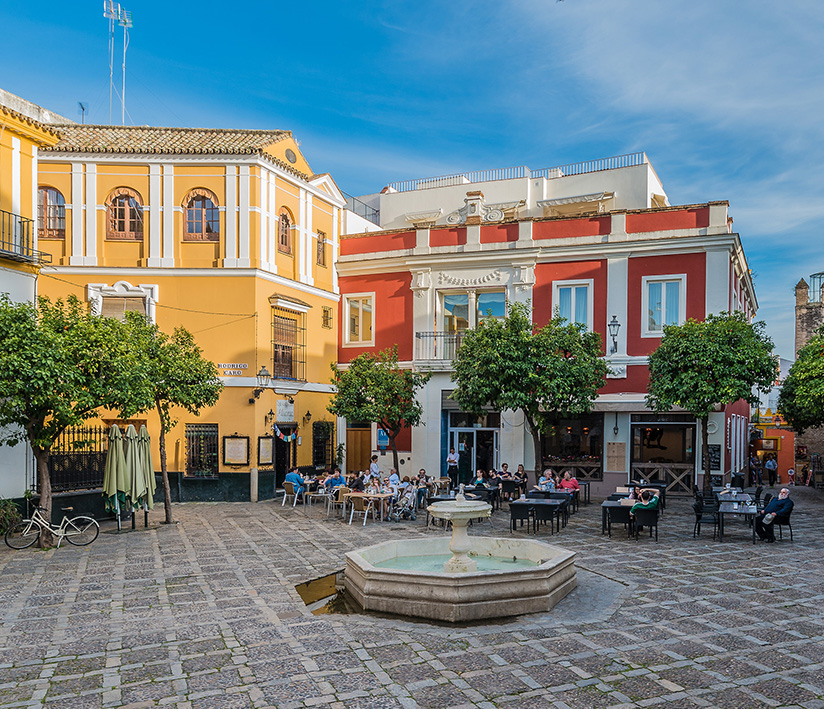
Seville’s old Jewish quarter, the Barrio de Santa Cruz, is a charming maze of narrow streets, alleyways, small squares with orange trees, whitewashed houses and churches, as well as cosy cafés, bars and shops. It is located in the city centre, including the Cathedral and Giralda.
The city was reconquered in 1248, the Jews were exiled and the synagogues converted into churches in the 1400s, when it was also named Santa Cruz (Holy Cross).
Explore the many nooks and crannies of the neighborhood and rest your legs on one of the many outdoor terraces while enjoying a coffee or a beer.
Along the way, stop by the central square, Plaza de Santa Cruz, the small square of Santa Marta and Seville’s narrowest street, Calle Reinoso. The street is also called Callejón de los besos (Kissing Street) because it is so narrow (no more than 0.5 m) that you can kiss from the balconies on either side of the street.
Barrio de Santa Cruz
17:30: Main and side street shopping
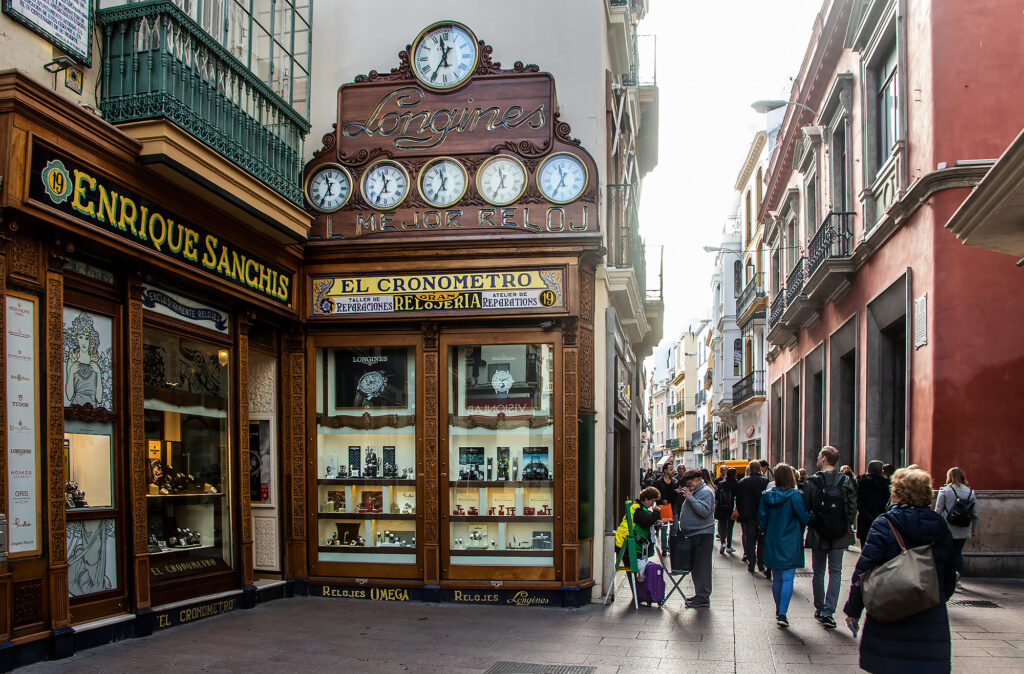
If you want to shop for souvenirs, delicatessen clothes and other goodies to bring home from Seville, start on the iconic Calle Sierpes, which is filled with historic shops with beautiful facades, where you can buy watches, hats and local salty and sweet delicacies, among other things.
Try the local sugar-coated cakes Ines Rosales with olive oil, available in different flavours such as aniseed, orange sesame and sea salt. The large, thin, round cakes have been made for over 100 years and they taste heavenly.
Walk down the side streets too, where you’ll find small shops selling local design and crafts.
In Tetuán, the city’s other main shopping street, you’ll find major chains such as Zara, Sephora, Hennes & Mauritz and Stradivarius. Here, too, it’s worth looking in the side streets for small shops where you can buy shoes at good prices.
Calle Sierpes and Calle Tetuán
20:Sophisticated dinner with river view
Abades Restaurant is located in the colourful Triana neighbourhood, opposite the Golden Tower on the Guadalquivir River. The building is new and organically shaped like the sail of a ship. The spacious rooms are modern and minimalistic, with white tablecloths and large cube-shaped panoramic windows that make you feel like you’re sitting in the middle of the river having dinner.
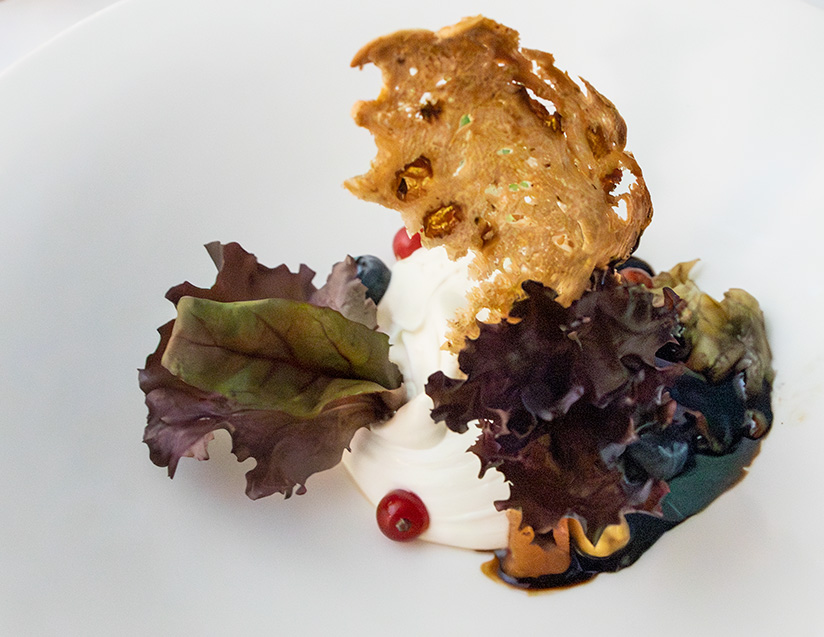
The food is sophisticated, Andalusian avant-garde, using only ingredients from small, local producers. The menu includes cod with pickles, chanterelles and hazelnut vinaigrette, civit de ciervo (venison stew), tapas and a salad with the best home-made goat’s cheese I’ve ever tasted.
In summer, you can sit out on the terrace and have dinner or just enjoy a drink with a beautiful view. Book a table in advance.
Restaurante Abades Triana, Calle Betis 69

Sunday
10 am: The Royal Palace
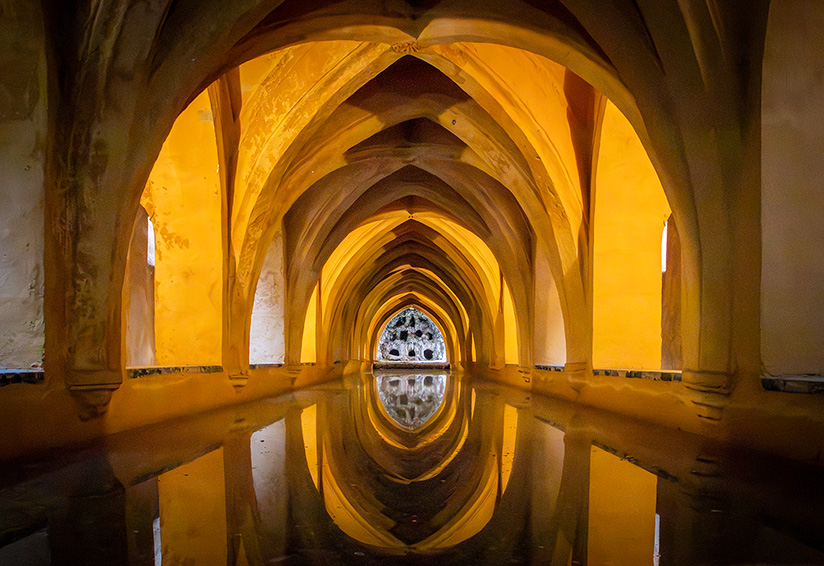
Seville’s castle is the city’s most magnificent building. The Christian castle was built by Moorish craftsmen and is built in the Mudejar style with Renaissance elements. The complex is one of the most visited in the world, and it was added to UNESCO’s World Heritage List in 1987.
The Alcazar was originally built as a fortress in the 10th century, but later developed in several stages. The most spectacular attraction is the Palacio de Don Pedro, built by King Pedro I in the 15th century, whose façade was decorated by Granada artists inspired by the Alhambra.
Alcazár was inhabited by Moorish rulers until the Christian king, Fernando III, moved in after conquering the city in 1248. Part of the castle is still used by the Spanish royal family. Alcazár has also appeared in the TV series Game of Thrones.
Take a tour of the huge palace with its impressive, artistic wood, plaster and ceramic decorations. You can visit the bedrooms of the Arab kings, the throne room, beautiful courtyards and the accompanying park with countless fragrant flowers, shady trees and fountains.
Buy your ticket online before your visit.
Skip the queue at the ticket office and buy your ticket in advance here (advertising link)
Real Alcázar de Sevilla, Patio de Banderas
12 noon: The spectacular Plaza de España
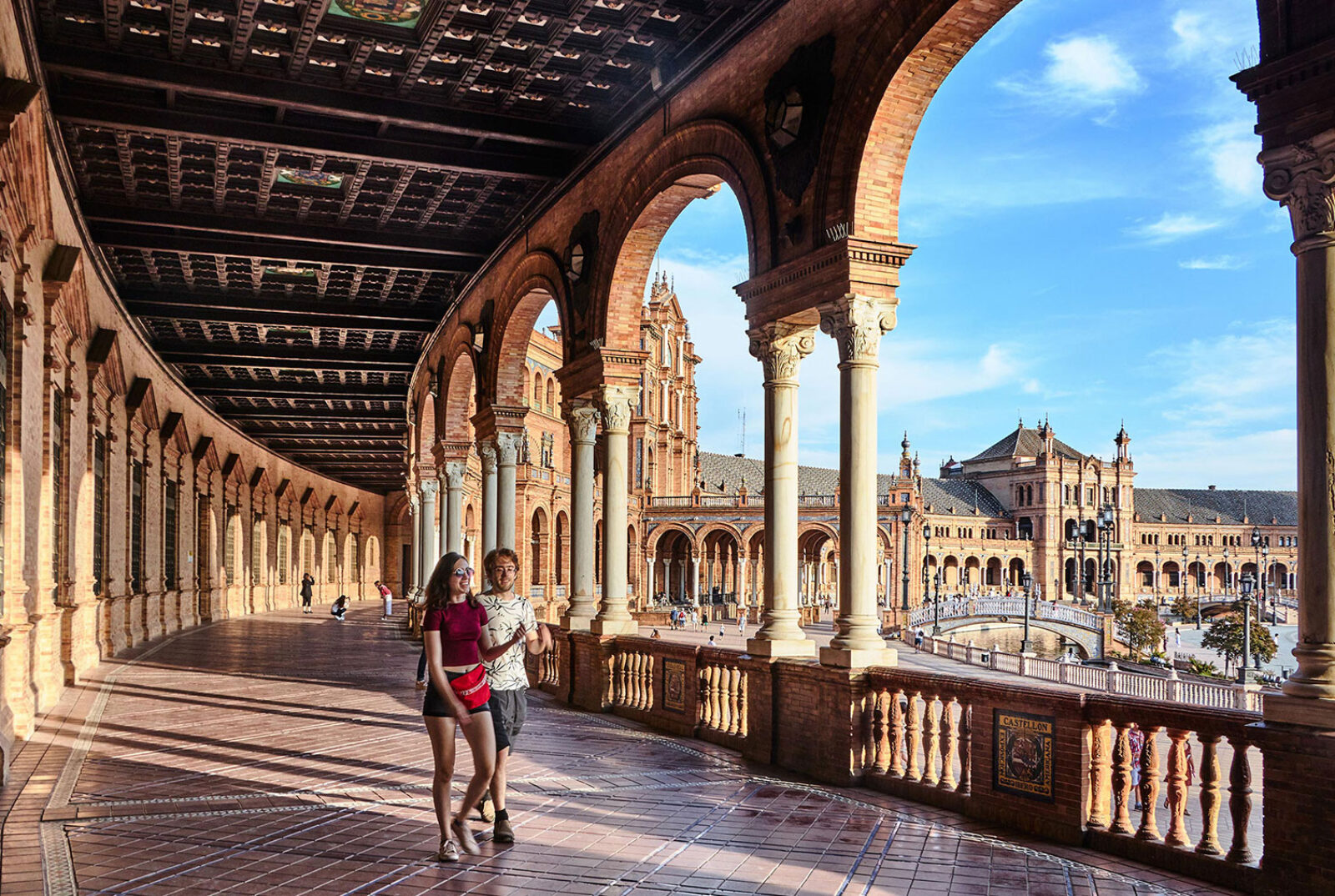
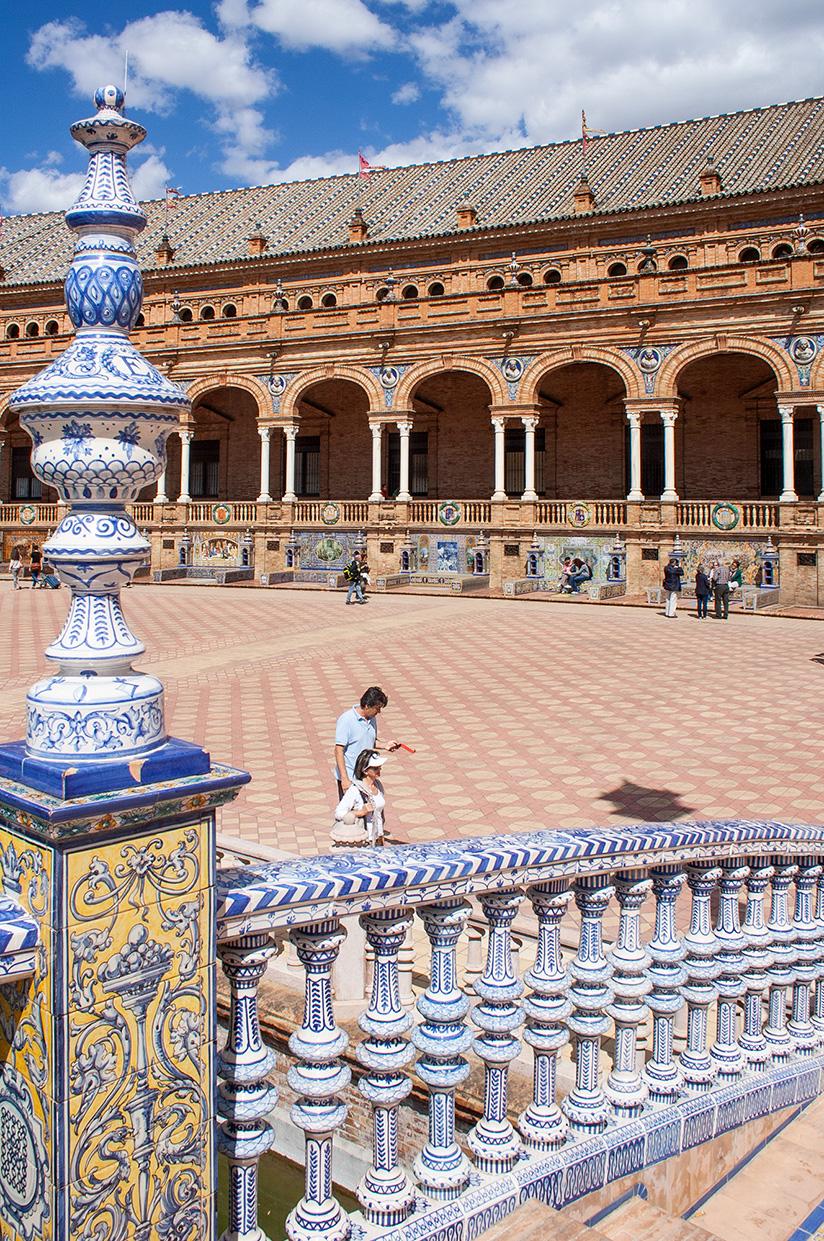
Seville’s Plaza de España, located in María Luisa Park, is an impressive sight and a square unlike any other in Spain.
Plaza de España was created by architect Aníbal Gonzálezs for the 1929 Ibero-American World Exposition and is considered his masterpiece. It is built in a mix of Neo-Mudejar and Renaissance styles.
At the site, you’re embraced by no less than a 170-metre-long, half-arched building, made up of galleries, archways and towers with bridges over a 515-metre-long canal where you can sail boats. In the middle of the square you will find a giant fountain.
Plaza de España is decorated with colorful ceramic tiles throughout. Most famous is the tile work representing the 49 Spanish provinces. Spanish visitors like to be photographed in front of the work that represents the province they live in.
Several filmmakers have also fallen in love with the 50,000-square-foot space, which appears in the films Lawrence of Arabia and Star Wars Episode II: Attack of the Clones.
Plaza de España, Av. of Isabel la Católica
14:00: Local art in the former monastery
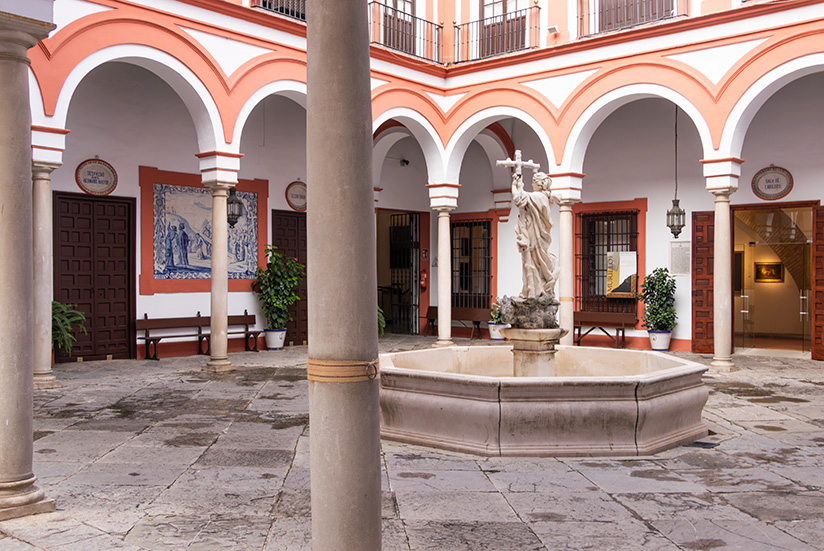
The Museo de Bellas Artes is beautifully set in a former convent and houses an extensive collection of Sevillian and Spanish paintings and sculptures. The works date from the 15th to the 20th century, with an emphasis on religious paintings from El Siglo del Oro (the Spanish Golden Age) in the 17th century.
A whole area is dedicated to the Sevillian Baroque painter Bartolomé Esteban Murillo (1617-1682) and the Seville School. Murillo’s masterpiece is La Colosal(Inmaculada concepción ) and a must see.
In addition, there are works by, among others. Zurbarán, Juan de Valdés Leal, the sculptor Juan Martínez Montañés, the city’s most famous painter Velázquez (the work Cabeza de Apóstol and a portrait of Goya) and El Greco’s portrait of his son, Jorge Manuel.
Museo de Bellas Artes, Plaza del Museo 9
Best time to visit Seville
Spring and fall are perfect for a vacation in Seville. From June to early September, the city is baking hot. Temperatures often creep up to over 40 degrees. Locals say it’s so hot in Seville in summer that you can spot eggs on the street. The winter months are also great if you like going to museums. Temperatures typically fluctuate between 12 and 16 degrees.
More travel tips for Andalusia
Andalusia has several major cities rich in culture. Córdoba is just an hour’s train ride from Seville. Find inspiration in the guide to Córdoba, tips on where to eat in Córdoba and read more about Córdoba’s impressive mosque-cathedral.
Granada is also worth a visit. Especially the Alhambra Palace is a must. Read the guide for lots of other things to do in Granada and where to eat in Granada.